5 Dangers of Neglecting a Dead or Dying Tree
Understanding the risks associated with dead or dying trees is crucial for property owners. These trees can pose significant hazards, both environmental and personal. By examining physical hazards, safety risks, environmental consequences, financial implications, community concerns, and preventive measures, you can better appreciate the wide-ranging effects of tree neglect. Let's take a moment to explore the various dangers linked to the neglect of dead or dying trees and provide insights into why timely action from tree removal services is essential.
1. Physical Hazards to Property
Structural Damage
Dead and dying trees have drastically weakened structural integrity. When left unattended, their branches and trunk can fall, leading to significant damage to nearby structures. Homes and outbuildings located close to these trees are particularly at risk. Many homeowners underestimate the destructive potential until it's too late. Regular inspections and timely removal can prevent such costly damage.
Vehicle Damage
Vehicles parked under or near dying trees are also at risk. Falling branches, especially large ones, can cause severe damage to cars and other forms of transport. Such damage could result in expensive repair bills, increasing the cost burden on vehicle owners. Ensuring vehicles aren't parked under vulnerable trees when possible can mitigate risks. Strategic landscaping and property assessments can provide long-term protection for parked vehicles.
Utility Interference
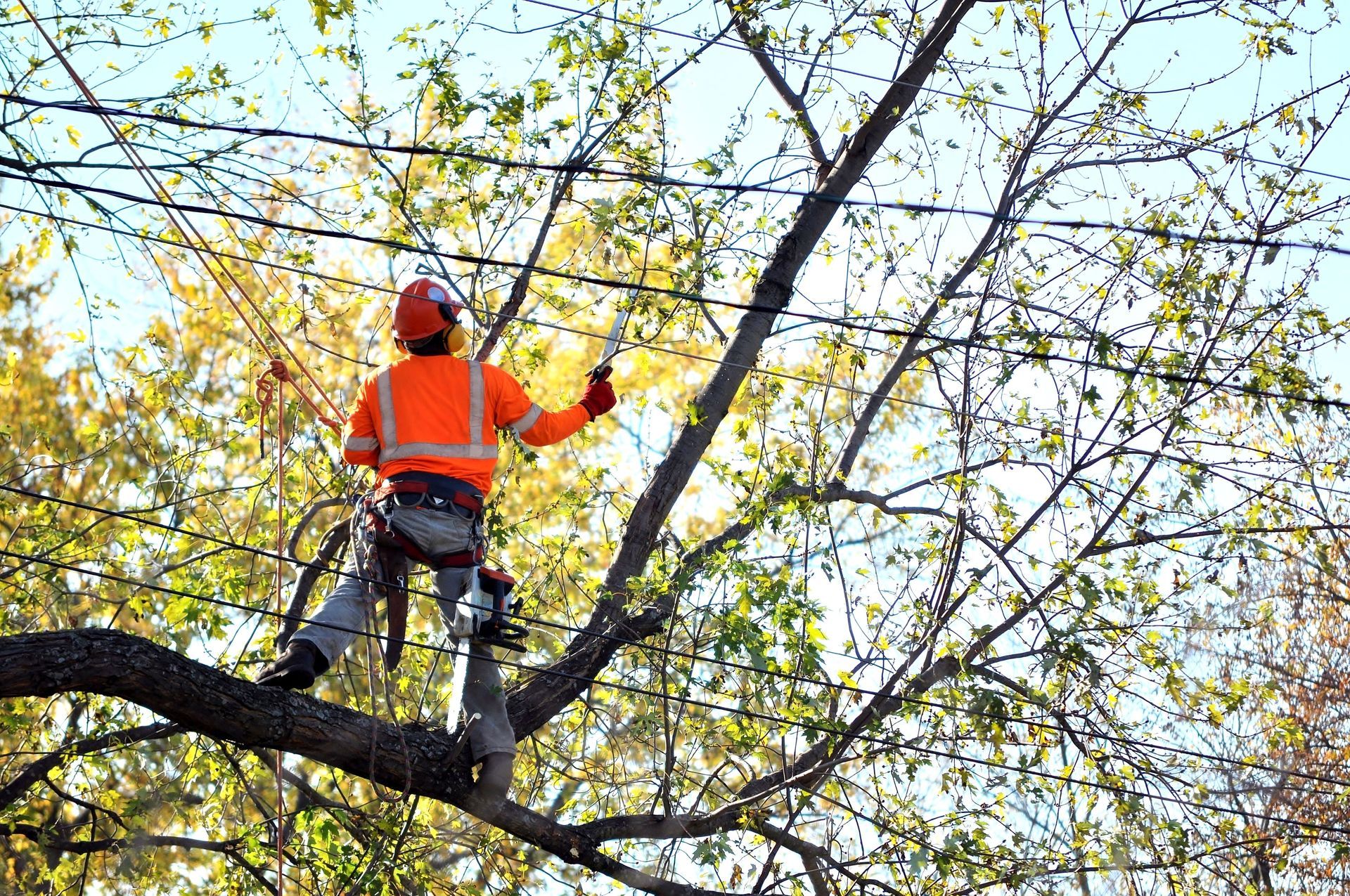
Dying trees can interfere with utility lines, causing widespread service disruptions. Branches can fall on power lines, potentially resulting in outages and fire hazards. Broken water or sewage lines due to uprooting can also lead to significant inconvenience and repair costs. Utility companies often need to be involved in tree management near power lines. This emphasizes the importance of regular property tree assessments.
Increased Maintenance Costs
Ignoring the health of trees can ultimately lead to increased property maintenance costs. Damaged property, whether homes, vehicles, or utilities, demands repairs and replacements. These costs, along with the potential emergency fees for sudden tree removal, can financially burden property owners. Proactive care, which includes tree care and management, can prevent future maintenance expenses. Early action by tree removal services is not only safer but also more cost-effective in the long term.
2. Safety Risks to People
Falling Branches
One of the most direct safety hazards posed by dying trees is falling branches. These can severely injure people who happen to be nearby. Children playing under trees are particularly vulnerable to such risks. Regular maintenance and monitoring can help in identifying and removing dangerous branches before they cause harm. Ensuring family and community safety requires consistent vigilance when it comes to tree health.
Increased Risk During Storms
Storms significantly increase the risk posed by dying trees. High winds can topple weakened trees or send large branches flying. This exacerbated risk magnifies the potential for injury and property damage. According to Forbes, even trees in good health that are leaning more than 15% off vertical plumb should be removed as they are a safety concern. Thus, proactive measures are essential in mitigating storm-related risks.
Limited Visibility and Obstructions
Dying trees with dense foliage can obstruct views. This can be particularly hazardous for drivers or pedestrians trying to navigate near these trees. Reduced visibility increases the likelihood of accidents, further emphasizing the need for regular pruning and clearing. Proper tree management ensures clear, unobstructed pathways for vehicles and people alike. This highlight reinforces the relationship between tree condition and community safety.
Fire Hazards
Dead trees are often dry and can act as fuel for fires. This is particularly hazardous in areas prone to wildfires. Even in less fire-prone areas, a small ignition source can turn a dead tree into a serious conflagration risk. Removing dead trees is a crucial step in fire prevention strategies. By addressing these risks with your local tree removal services, property owners can prevent devastating fire-related incidents.
3. Environmental Consequences
Impact on Local Wildlife
Dying trees can disrupt local ecosystems and wildlife habitats. Birds and other wildlife depend on trees for shelter and nesting. As trees die and fall, these habitats can be lost, leading to an ecological imbalance. Healthy trees support a thriving biodiversity, playing a crucial role in the local environment. Addressing tree health not only preserves habitats but also maintains regional biodiversity.
Soil Erosion
Tree roots play a significant role in soil stability. The loss of trees leads to increased erosion, as there is less root structure to hold the soil in place. Eroded soil can lead to landslides, property damage, and loss of arable land. Preventing erosion through proactive tree maintenance promotes landscape stability. Keeping trees healthy ensures that they continue to serve their crucial role in preventing soil degradation.
Pest Infestations
Dying trees can become breeding grounds for various pests. Insects, fungi, and other pests thrive in decaying wood, posing further risks to other plants. Once established, these pests can spread to nearby healthy trees, exacerbating the overall tree health in the area. Regular inspection and treatment are necessary to prevent infestations from taking hold. Addressing tree death promptly with the help of tree removal services protects the entire landscape from unwanted pests.
4. Financial Implications
Cost of Emergency Removal
When a dead tree poses an immediate danger, emergency removal becomes necessary. This service can be costly due to the urgency and complexity involved. Avoiding this situation through regular maintenance and tree health checks is far more economical. Planned care avoids the premium costs associated with sudden interventions. Proactive management proves less expensive in the long term.
Decrease in Property Value
Neglecting tree maintenance can lead to a reduction in property value. Potential buyers often view neglected landscapes as liabilities, factoring these into purchase offers. Healthy, well-maintained trees, on the other hand, can enhance property value and appeal. Investing in regular tree care pays dividends in property appraisal and marketability. Ensuring tree health supports both immediate aesthetic and long-term financial goals.
Increased Insurance Premiums
Properties with unmanaged dead trees may face higher insurance premiums. Insurers recognize the risks posed by such hazards and may adjust rates accordingly. Clearing potentially dangerous trees from one's property can lead to more favorable insurance terms. Regular communication with insurers can provide guidance on necessary safety improvements. Addressing tree hazards with your local tree removal services can reduce insurance costs while ensuring coverage security.
5. Community Concerns
Impact on Neighborhood Aesthetics
Dead or dying trees can detract from the overall appearance of a neighborhood. Properties that are well-maintained contribute to the community's overall aesthetic value. Neglected trees, however, can create an impression of decline and disrepair. Community-wide efforts in tree management can foster neighborhood pride and unity. By investing in tree health, homeowners contribute positively to their community's appearance.
Public Safety Concerns
Neighborhoods with poorly managed trees face heightened public safety risks. Trees that are not cared for increase the likelihood of accidents and injuries for residents. Enhancing public safety involves both individual and collective responsibility in tree care. Ensuring the safety of common public spaces requires community collaboration and regular checks. Safe neighborhoods are a product of shared vigilance and action.
Influence on Property Market Value
Communities with a significant number of neglected trees may face depreciated property market values. Potential buyers consider the overall condition of a neighborhood when evaluating properties. A collective commitment to tree care enhances not only individual properties but the neighborhood as a whole. Maintaining a well-appointed community can lead to increased property desirability and market strength. These outcomes emphasize the shared benefits of invested tree health.
Neglecting dead or dying trees can result in a multitude of dangers, ranging from physical damage to financial loss and community impacts. By acknowledging these risks and investing in tree removal services with Darien Tree Service LLC, you can maintain safer and more aesthetically pleasing environments while protecting your investment and community. Get started today by reaching out to us for a free estimate!
Share On: